French Drain Services for Managing Excess Water and Runoff
French Drain Approaches for Optimal Water Management
French drain systems are vital for proper water control for property owners. These systems are engineered to redirect both surface and groundwater, stopping water accumulation near foundations. Knowing how they operate and the various types available is crucial. Property owners often encounter unique drainage issues that demand customized approaches. As they explore these options, they may find themselves questioning the best solutions for their specific needs.
What Are French Drains and How Do They Function?
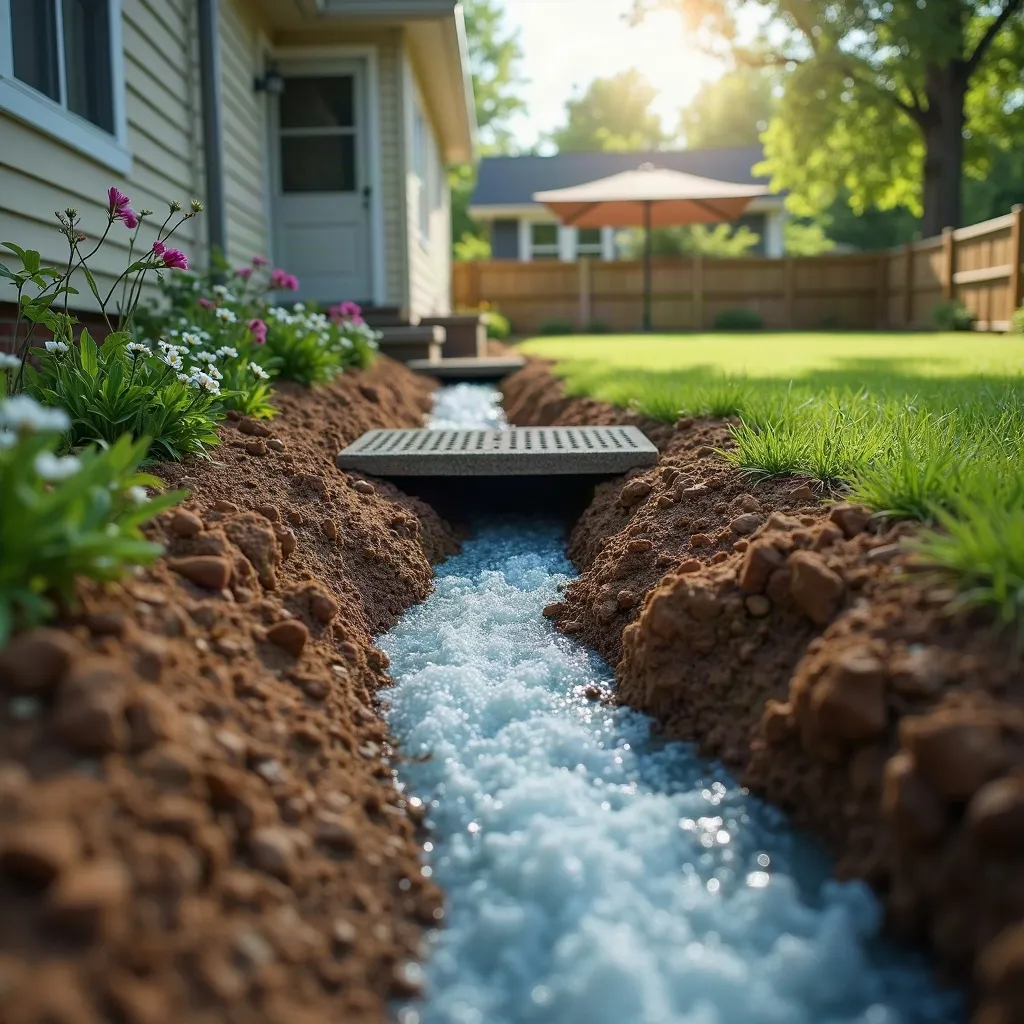
French drains function as a favored remedy for managing water troubles. They are comprised of a dug channel loaded with gravel or rock, having a perforated drainage pipe situated at the foundation level. This setup supports the efficient steering of water from flood and moisture-prone areas. When rainwater or groundwater builds up, it penetrates the perforated drainage pipe, which then sends the water to divert from the foundation of buildings or landscaping.
The system depends on gravity to function effectively, guaranteeing that water flows to a designated drainage area, such as a storm sewer or dry well. By preventing water accumulation, French drains assist in protecting structures from water damage, minimize erosion, and improve soil stability. Proper installation is essential for optimizing their efficiency, as factors like slope and depth must be thoroughly considered. In summary, French drains function as a reliable method for addressing drainage issues in various environments.
Multiple Kinds of French Drains for Your Home
When tackling drainage problems, property owners can select from multiple types of French drains customized to their specific needs. One common option is the traditional French drain, which consists of a trench packed with gravel and a perforated pipe that gathers and diverts water away from the foundation. Another type is the surface French drain, designed to collect excess water accumulating on the surface, often installed along driveways or sidewalks.
Buildings with substantial groundwater may benefit from a subsurface French drain, sunk deeper to intercept water flow before it builds up. Moreover, lateral drains are applied to regulate water movement around defined regions, mitigating moisture problems in outdoor spaces or basements. Ultimately, composite drainage systems combine elements of multiple drainage systems to address unique challenges. Each type offers distinct functions, allowing property owners the ability to select the most ideal solution for their water management issues.
Benefits of French Drains for Your Home
Putting in a French drain can noticeably enhance property value and protect from water damage. These water management systems expertly redirect excess water away from foundations, curtailing the risk of flooding and erosion. By dealing with water runoff, French drains help conserve landscaping and prevent soil saturation, which can damage plant life and hardscapes.
Additionally, the installation of a French drain can decrease mold and mildew development in crawl spaces and basements, encouraging a healthier indoor environment. This is particularly beneficial in regions prone to heavy rainfall or high groundwater levels.
Furthermore, homes featuring reliable drainage systems often appeal to purchasers more quickly, as potential homeowners recognize the long-term advantages of drainage technology. Overall, the benefits of French drains go further than quick moisture removal, enhancing the overall longevity and appeal of a property.
Installing a French Drain: A Step-by-Step Approach
Creating a French drain involves several important steps to ensure effective water management. First, the area should be examined to find the optimal location for the drain, typically at the lowest point where water collects. Next, a trench is dug, ideally at a slope ranging from 1% to 2%, to promote water flow. The trench’s depth and width must be suitable for perforated pipe and gravel.
Once the ditch is set up, a layer of gravel is positioned at the foundation, followed by the perforated pipe, making sure the holes face downward. After positioning the pipe, more aggregate is put in to hide it, allowing for peak drainage. Finally, the channel is filled with soil, and yard work is restored. Correct setup assures that extra water is efficiently redirected away from the building, lessening potential damage.
Troubleshooting Frequent Issues With French Drains
Fixing common problems with French drains is critical for maintaining their effectiveness. Two widespread problems include clogged channels, which can block water flow, and incorrect slope, which may cause water to collect instead of flowing away. Handling these issues immediately ensures peak function and durability of the drainage system.
Blocked Drainage Issues
Clogs can compromise the effectiveness of French drains, causing water pooling and possible damage. Typical culprits consist of sediment buildup, debris intrusion, and root infiltration. Over time, these obstructions can impede proper drainage, requiring timely intervention. Homeowners should frequently check their French drains for signs of clogging, such as slow drainage or unusual dampness in surrounding areas. Using a garden hose to cleanse the system can help remove minor blockages. For more severe clogs, a professional inspection may be required to assess the situation accurately. Additionally, installing a filter or grate can prevent larger debris from entering the drainage system, thereby reducing future clogging issues. Prompt attention to clogged drains is essential for maintaining effective water begin here management.
Incorrect Grade Concerns
A adequate slope is necessary for the proper functioning of French drains, as even a slight misalignment can lead to considerable drainage issues. If the slope is too flat, water may pool in the drain instead of advancing toward the outlet. Conversely, an excessive slope can lead to rapid water movement, preventing the drain from capturing runoff effectively. Homeowners may detect evidence of improper drainage, such as standing water or erosion near the drain's inlet point. To troubleshoot these problems, it is essential to assess and regulate the slope to guarantee a consistent gradient of at least 1% to 2%. Regular maintenance and monitoring can prevent these issues, enabling the French drain to function optimally and prolonging its serviceability.
Caring for Your French Drain to Ensure Prolonged Efficiency
A French drain needs frequent checks and upkeep to ensure peak performance. Additionally, correct grading of drainage is vital for directing water flow effectively away from the foundation. These practices help prevent clogs and promote sustained performance.
Periodic Reviews and Cleaning
It is vital to perform regular inspections and upkeep to ensure the ongoing efficiency of a French drain system. Over time, debris, material, and organic matter can accumulate inside the drain, hindering water flow. Regular assessments enable homeowners to spot clogs or structural damage early, preventing bigger problems later. Cleaning should be done at least once annually, especially after heavy rain or storms, to remove any residue present. Using a blend of manual clearing and devices like a drain snake can successfully clear blockages. Also, maintaining the surrounding landscape by trimming plants and making sure proper drainage is directed away from the system supports its longevity. Consistent maintenance ultimately shields the property from water damage and enhances drainage efficiency.
Proper Water Management Slope Design
Effective drainage sloping is necessary for the efficiency of a French drain system. It confirms that water moves toward the drain rather than accumulating in unwanted areas. For superior performance, the ground should grade away from the foundation at a minimum gradient of 1% (or 1 inch per 10 feet). This slope promotes smooth water movement, minimizing potential flooding and erosion.
Regular examinations of the slope are critical to address any shifts triggered by yard work, settling, or natural wear. If drainage configuration becomes inadequate, it may call for adjustments, such as recontouring the landscape or adding earth material to maintain the correct slope. By stressing sound drainage practices, homeowners can enhance the long-term durability and operational effectiveness of their French drain systems, ensuring reliable water management.
Routine Questions Presented Frequently
What Does It Expense to Establish a French Drain?
A French drain setup usually costs between $1,000 to $5,000, based on various variables such as the size of the assignment, complexity, and regional labor costs, considerably affecting overall installation expenses.
Can I install a French Drain Myself?
Yes, an person can set up a French drain by themselves if they possess the essential skills and tools. However, careful planning and observation to local regulations are indispensable to guarantee successful operation and stop future water complications.
What Licenses Are Required for Setup?
Local regulations typically demand a certificate for establishing drainage systems. Homeowners should consult community ordinances or building departments to ascertain particular conditions, ensuring compliance with zoning laws, environmental considerations, and any necessary inspections during placement.
How Long Will a French Drain Continue Working?
A properly installed French drain regularly lasts between 30 to 40 years, subject to soil conditions and maintenance. Frequent assessments and timely repairs can greatly extend its lifespan and guarantee peak performance over time.
Can French Drainage Systems Help With Basement Flooding?
Yes, French drains can efficiently prevent basement water intrusion by diverting surface water away from foundations. When correctly installed, they reduce moisture levels, assisting in avoiding water accumulation and potential damage within the basement environment.